Choosing a Brand
What Customers Actually Look for When Choosing a New Brand?
- StriveX Ventures
- 02 / 01 / 2026
Customers are the backbone of the company. They give preference to a brand on the basis of functional, emotional and ethical factors. The relationship with customers is built on trust and clarity. Basically, they just read the signals and judge the intent of a brand.
Business spends time shaping offers, refining messages and setting prices. Yet customers decide faster than most teams expect. They do not study your brand as closely as you do. Potential customers look for clarity and want proof of a business's claims. If a brand feels unclear, inconsistent or self-focused, they step back.
This blog is written from one business to another. It breaks down what customers actually look for when choosing a new brand.
Why Understanding Customer Choice Matters for Brands?
Customers have a lot of options to choose from in any market. Understanding customers' needs and demands is essential for a brand to grow and compete. A business can earn customers' loyalty through daily signals and not just give long-term promises. If your brand loses clarity or credibility, customers do not complain; they replace you.
Small choices shape buying behaviour more than grand statements. Customers notice small details, such as tone, clear language, straightforward communication and consistency, because they rely on them to reduce risk.
Knowing your customers' choices helps brands align with consumer values, build loyalty and create products and experiences that resonate emotionally and socially. Brands that grasp why people choose them can differentiate, strengthen trust, and drive long-term growth.
What are the Critical Elements that Drive Customers to Choose a Brand?
When customers encounter a new brand, their decision is shaped by a mix of rational factors such as price, credibility, emotional drivers, and first impressions. Learning these elements helps brands resonate with their audience.
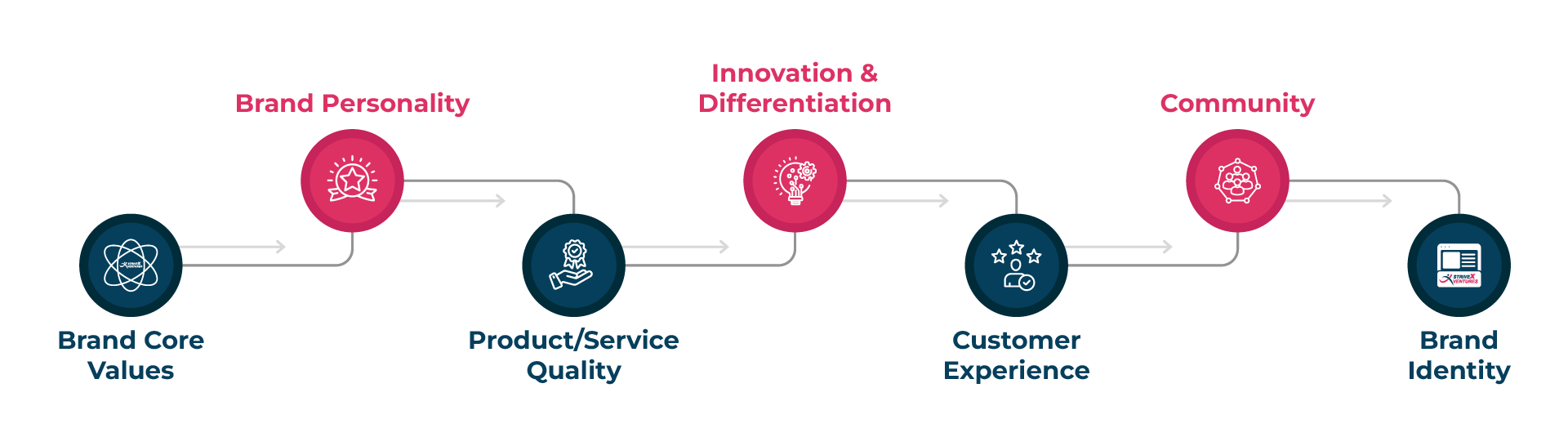
Brand Core Values
Customers are aware of the values of the brand. Brand values act as a filter, helping customers choose the option that resonates most with them. They help people decide who deserves their money and attention. Businesses that show commitment to ethics, fairness, sustainability or inclusion stand out because these signals suggest long-term thinking. They look for real action; empty statements carry no weight. Customers notice how a brand behaves, who it supports and how it treats people.
Brand Personality
Every brand has a personality, intentional or accidental. Customers can read it through tone, design choices and everyday interactions. A clear personality makes a brand easier to remember and easier to trust. It shapes how customers feel throughout their interactions, from browsing a website to speaking with support. Brands that sound human and consistent attract communities rather than one-off buyers. Over time, personality becomes a reason people return.
Product/Service Quality
Beyond brand communication and values, product or service quality keeps customers for longer. Reliability and performance confirm whether they placed trust correctly. Customers assess value by comparing what they receive with what they pay and with what they expect. Clear explanations of benefits, realistic claims and visible proof of quality help reduce uncertainty. Brands that communicate value honestly avoid disappointment, which matters more than persuasion in the long run.
Innovation & Differentiation
Customers are drawn to brands that feel relevant and forward-thinking. Innovation does not always mean creating something new for its own sake. It often manifests as improved processes, transparent communication or innovative solutions to familiar problems. Businesses that show thoughtful progress signal that they pay attention to change and respond with intent, which builds confidence in future performance.
Customer Experience
Experience shapes memory, and convenience plays a significant role in that. Customers remember how easy it was to buy, and how problems were handled. Fewer steps, clear instructions, easy processing and responsive support reduce frustration. Customer service often carries more weight than marketing because it shows how a brand behaves when things are not perfect. Positive experiences build emotional attachment, which keeps customers loyal even when competitors offer similar options.
Community
Customers seek reassurance from people who have already engaged with a brand. Communities, whether online or offline, shape perceptions by demonstrating how a brand treats its audience through testimonials and recommendations. Customers trust brands that respond openly, accept feedback, and engage without defensiveness. Social proof is most effective when it reflects real experiences.
Brand Identity
A strong brand identity helps customers place you in their mental map. Visual elements, such as logos, layout, spacing, colour, structure and packaging, create a first impression and signal professionalism and stability. A platform that looks organised and easy to move through signals competence. Storytelling adds meaning by explaining why the brand exists and who it serves. Customers connect with stories that reflect their goals, challenges, or beliefs, along with the clear designs that keep them engaged.
Final Thoughts
Customers choose a brand to buy or hire a service based on quick judgments. Customers read intent through how a business speaks, how you act and how easy you are to deal with. They look for reliability and evidence that a business respects their time and expectations. Brands that focus on clear communication, genuine values, and dependable delivery earn attention and keep it. Those who ignore these fundamentals are easy to replace.